Recent graduates are discovering the traditional post-college existential crisis has been outsourced. Entry-level hiring across major firms has plunged 78% from this time last year, and the culprit is no longer just a tight-fisted hiring manager. Recruiters now point to automated screening tools, which have perfected the art of the three-second skim—rejecting 92% of applications before a human’s eyes have even glazed over.
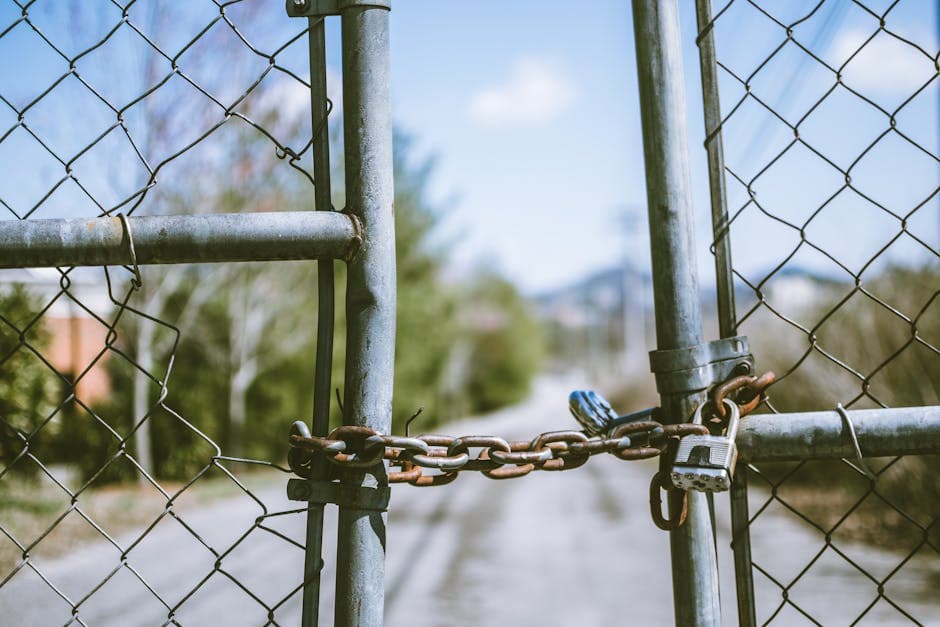
The tipping point arrived Tuesday at a data center outside the capital. There, 47 newly minted grads converged with rolling shopping carts piled high with precisely formatted paper resumes. They formed a sloppy but earnest human chain around the main gate, chanting "Reboot Humanity" in a monotone that suggested years of Zoom seminars. Security eventually dispersed them with a spray of lukewarm, off-brand coffee, a corporate touch that many found more insulting than the rejections.
By Thursday, what began as a lonely vigil had metastasized into a properly chaotic movement in six cities. Protesters, fueled by student-loan-grade anxiety and sourdough starter they suddenly had time to tend, distributed flyers demanding AI systems submit to weekly CAPTCHA challenges to prove their own sentience. One organizer, a 22-year-old who majored in Digital Ethics and minored in profound disillusionment, escalated matters by super-gluing a 3.5-inch floppy disk—labeled "Obsolete But Employed"—to the facility's biometric scanner. It remained stuck there for two hours, a perfect metaphor that nobody inside the building understood.
Corporate responses have been a masterclass in calibrated concern. A consortium of tech firms issued a joint statement announcing plans to audit their algorithms for "unintended bias against raw enthusiasm." Meanwhile, the National Employment Secretariat urged graduates to upskill in prompt engineering, hastily adding that no AI would be involved in the retraining sessions—a promise delivered via an auto-generated email, naturally.
Undeterred, the uprising's leaders vow to escalate. Their next planned action is a mass fax-in of cover letters, a tactical nod to the ultimate office relic. Observers note the rich irony: the fax machine, a technology retired for everything but doctors' offices and sending drawings to grandparents, has been resurrected as the symbol of resistance to digital overreach. The protest's unofficial soundtrack is now the anguished screech of a modem handshake, which, much like a philosophy degree, is a sound that promises connection but mostly delivers noise.