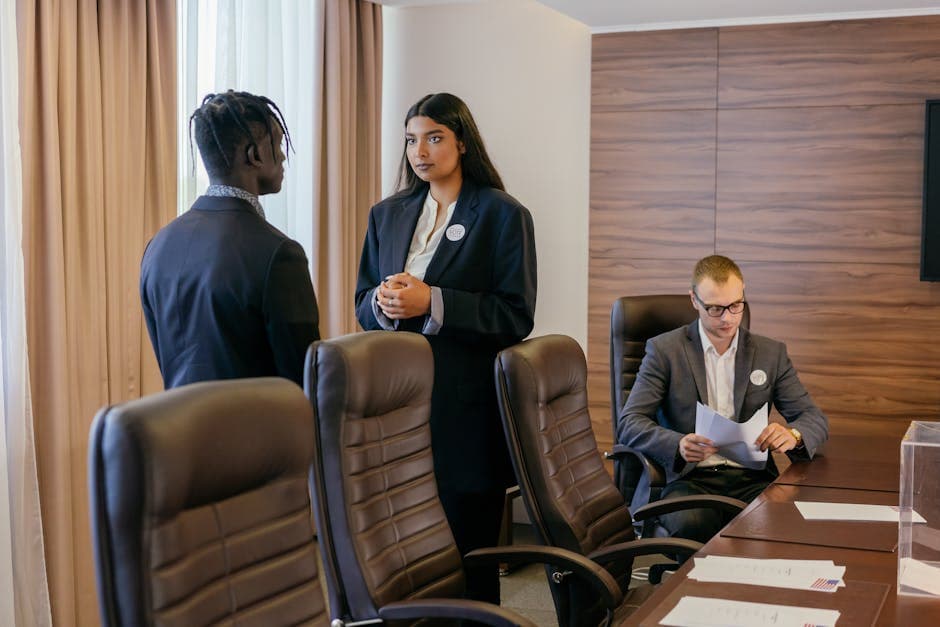
Delegates from 47 nations filled the Great Hall of the Continental Assembly at 9:45 a.m. sharp, having each navigated a labyrinth of security checkpoints that somehow failed to screen for incompetence. Chairs creaked under the weight of briefcases stuffed with position papers no one would read. The agenda, promising votes on trade tariffs and border protocols, was about as exciting as watching paint dry, which, it turned out, was the secondary activity on offer.
At 10:17 a.m., Chairwoman Elena Voss tapped her tablet with the solemn authority of someone launching a nuclear missile, activating the assembly’s $2.7 million electronic voting platform. The screen blinked once, displaying a single, devastating prompt: /start. Voss, a veteran of three fiscal crises, entered her credentials. Then, with the quiet desperation of a person trying to remember a lost password, she entered them again. The screen continued its serene, unblinking taunt.
A low murmur spread through the chamber—less a whisper of concern, more the sound of 200 people simultaneously regretting their life choices. An aide was dispatched to a locked drawer in the podium, returning with a three-ring binder so pristine its spine cracked like a rifle shot. Page 14 confirmed the awful truth: /start was, in fact, the correct incantation. IT support, sequestered in Sector B, was paged. They arrived 28 minutes later, one technician clutching a chipped “#1 Sysadmin” thermos, the other smelling faintly of sourdough starter.
What followed was a symphony of helplessness. Technicians huddled over the device, performing digital séances with variations like /begin, /commence, and /pleasework. A junior delegate from a tech-forward nation tentatively suggested a voice command. The system remained inert, its blue backdrop now feeling less like a user interface and more like a meditation app mocking their collective impotence.
By 11:09 a.m., with stomachs rumbling from skipped coffee breaks and diplomatic patience thinner than the assembly’s complimentary toilet paper, Chairwoman Voss took matters into her own hands. With a sigh that spoke volumes about the fragility of modern governance, she located the power cord—tucked behind a velour curtain next to a forgotten plaque commemorating the “Era of Seamless Integration (2019)”—and unplugged the tablet.
A ten-second power cycle performed the miracle. The menu reappeared. Voting on the tariffs proceeded without further incident, passing 32-15. The override code for the /start command was hastily scribbled on a sticky note and affixed to the podium stand, right next to a phone number for a local pizza place that, notably, always answers on the first ring.